
Hiroshima: a symbol of hope and prosperity
Hiroshima's rise from the ashes of Nuclear Destruction


FROM DESTRUCTION TO PROSPERITY

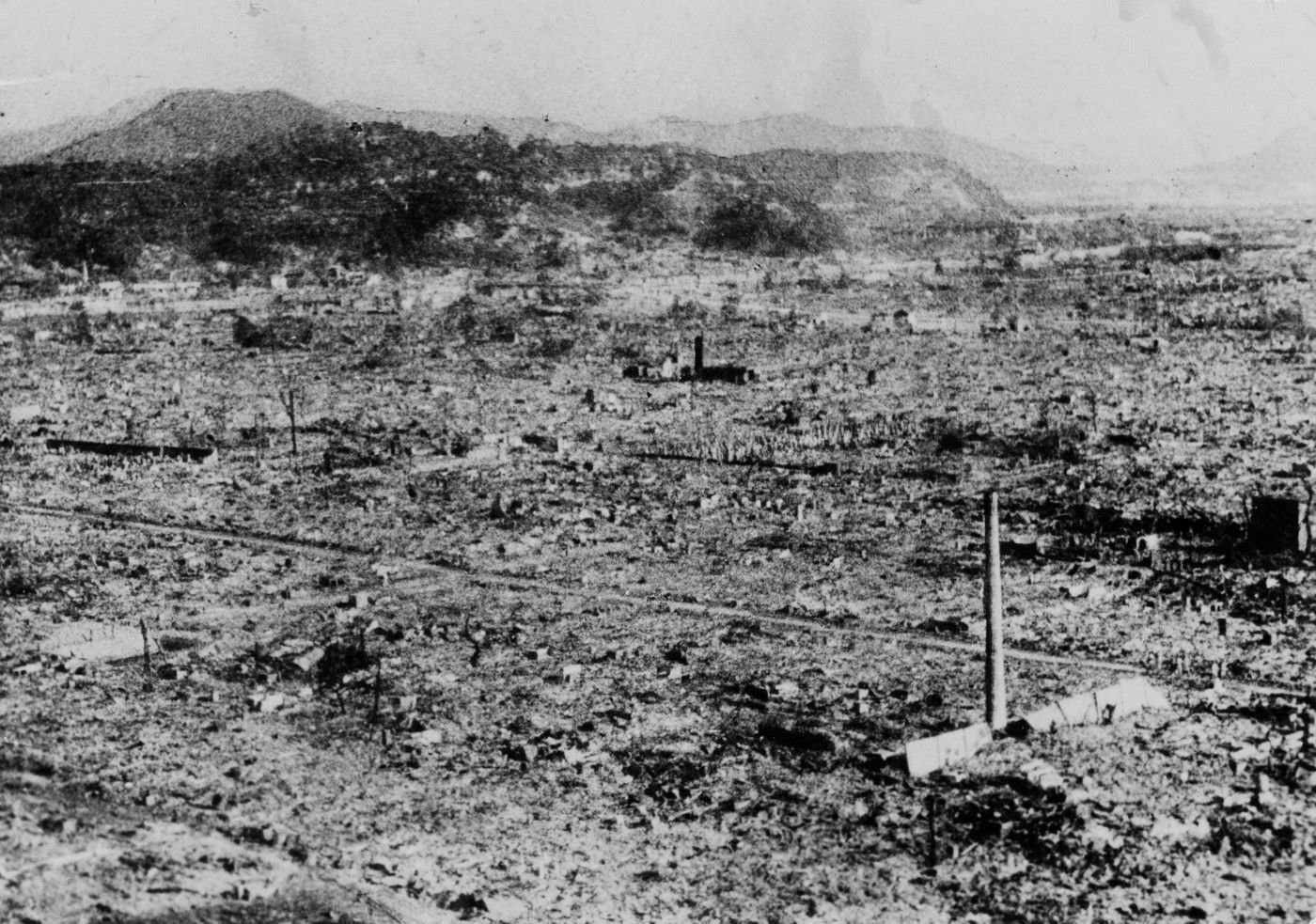
On 6 and 9 August 1945, the United States detonated two atomic bombs over the Japanese cities of Hiroshima and Nagasaki, respectively. The aerial bombings together killed between 129,000 and 226,000 people, most of whom were civilians, and remain the only use of nuclear weapons in an armed conflict. Japan surrendered to the Allies on 15 August, six days after the bombing of Nagasaki and the Soviet Union's declaration of war against Japan and invasion of Japanese-occupied Manchuria. The Japanese government signed the instrument of surrender on 2 September, effectively ending the war.
The individual frames of a traditionally animated film are photographs of drawings that are first drawn on paper. To create the illusion of movement, each drawing differs slightly from the one before it.
The animators' drawings are traced or photocopied onto transparent acetate sheets called cels, which are filled in with paints in assigned colors or tones on the side opposite the line drawings. The completed character cels are photographed one-by-one against a painted background by a rostrum camera onto motion picture film . The traditional cel animation process became obsolete by the beginning of the 21st century. Today, animators' drawings and the backgrounds are either scanned into or drawn directly into a computer system.
Various software programs are used to color the drawings and simulate camera movement and effects.
The final animated piece is output to one of several delivery media, including traditional 35 mm film and newer media such as digital video. The "look" of traditional cel animation is still preserved, and the character animators' work has remained essentially the same over the past 70 years. Some animation producers have used the term "tradigital" to describe cel animation which makes extensive use of computer technology. Examples of traditionally animated feature films include Pinocchio (United States, 1940), Animal Farm (United Kingdom, 1954), and Akira (Japan, 1988). Traditional animated films which were produced with the aid of computer technology include The Lion King (US, 1994) Sen to Chihiro no Kamikakushi (Spirited Away) (Japan, 2001), and Les Triplettes de Belleville (France, 2003).
Hiroshima’s resurrection began just hours after it was effectively wiped from the map.The lights came back on in the Ujina area on 7 August, and around Hiroshima railway station a day later. Power was restored to 30% of homes that had escaped fire damage, and to all households by the end of November 1945, according to records kept by the Hiroshima Peace Institute.
Hiroshima’s post-war planning was a combination of a pre-war vision to improve safety and the emerging needs of further urban development, which highlighted green spaces, safety, and social cohesion. Post-war reconstruction also presented an opportunity to execute pre-war plans to reduce overcrowding, widen roads, increase green spaces, and control floods. Notable improvements included more riverside footpaths to create walkable neighborhoods. As the city's resurgence exceeded expectations and attracted new residents, the city further implemented considerations for inclusivity and accessibility. New comprehensive transportation plans were devised in the 1970s and 1980s to improve accessibility between the city center and emerging suburban areas
Words from: worldbank.org and guardian article

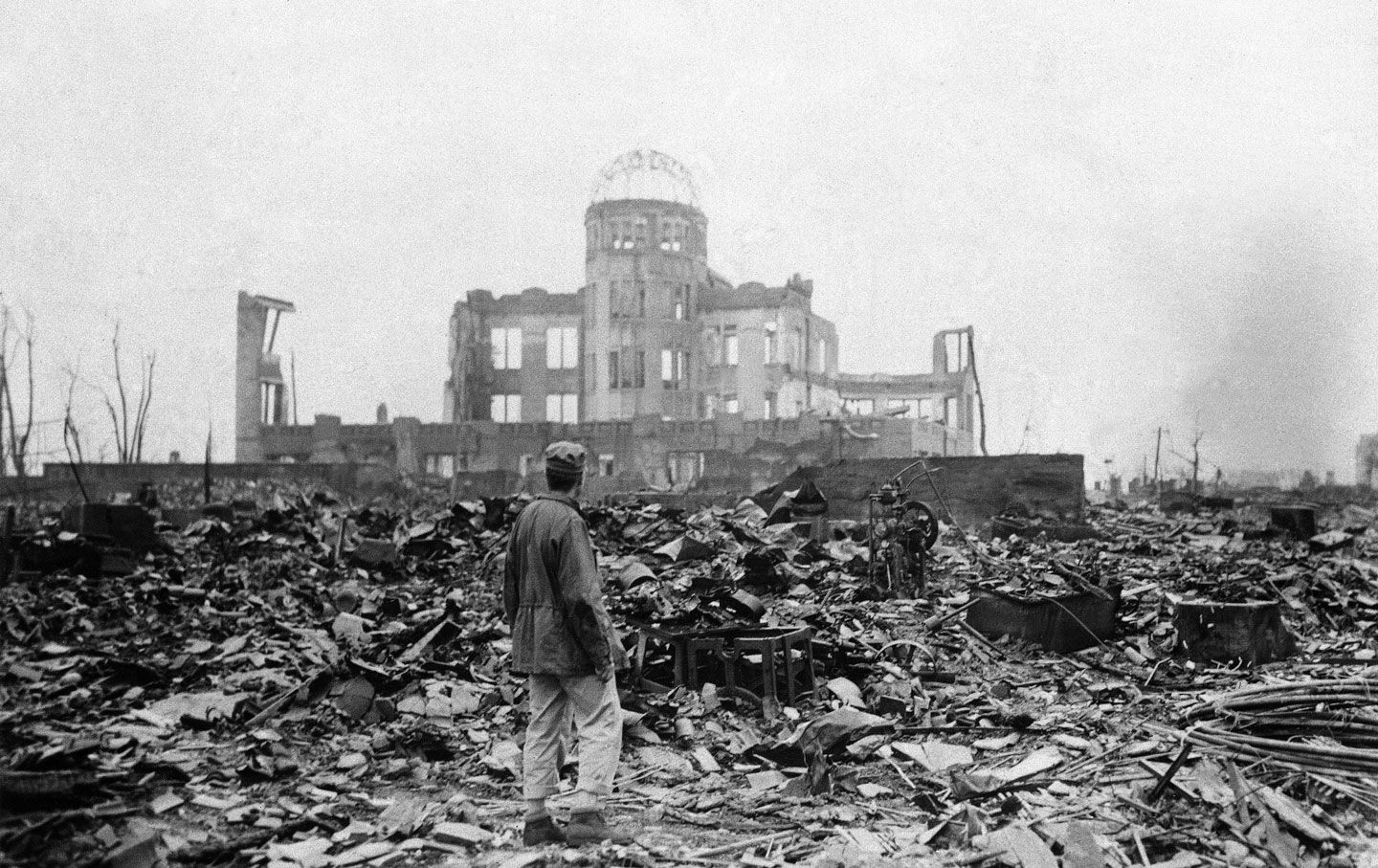


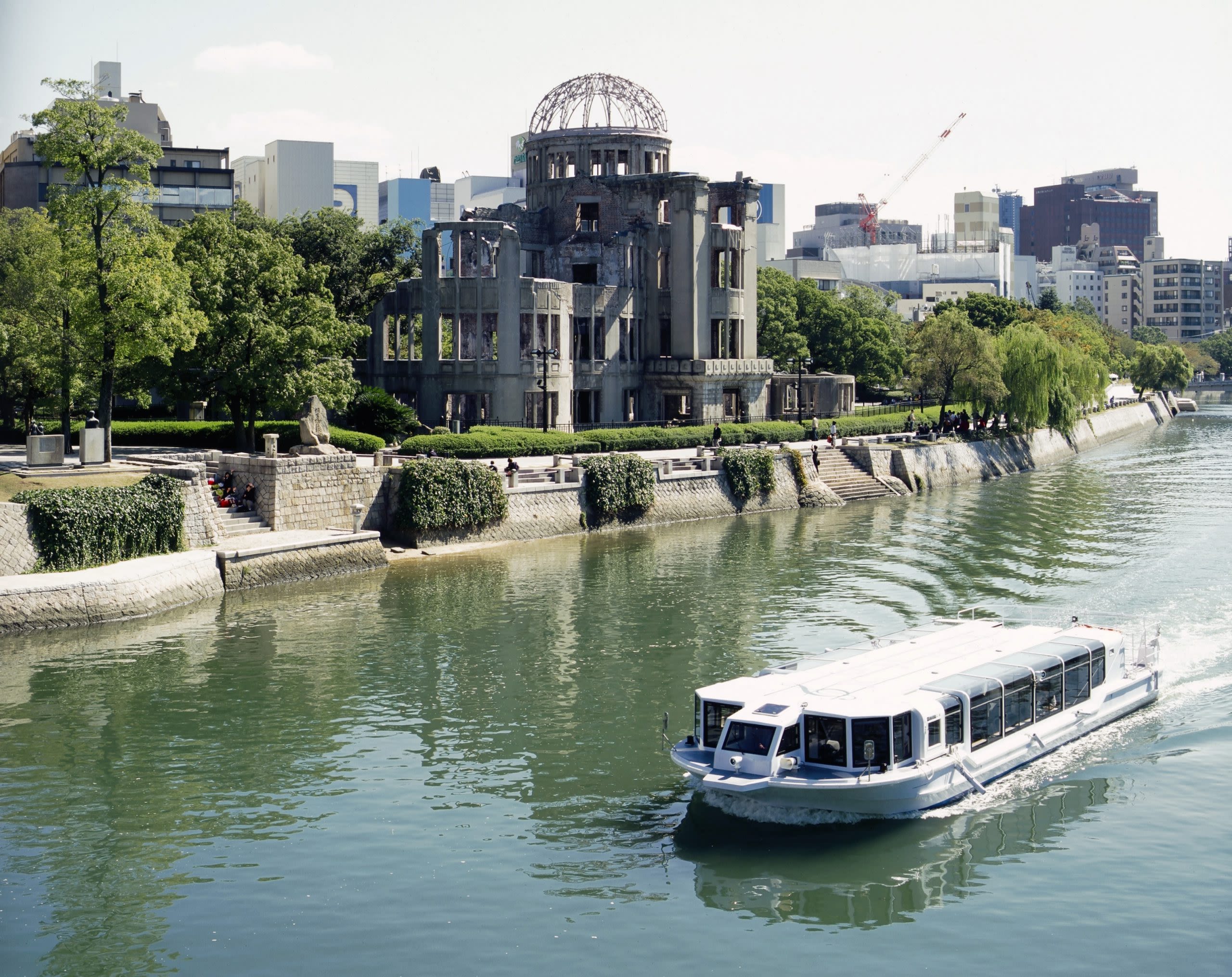
Hiroshima still resonates with us today because the threat of nuclear devastation first seen there remains with us as well.
While the world stepped back from the nuclear brink in the latter part of the Cold War, the technology cannot be put back in a bottle. Countries around the world, including the United States, still possess this capability and are working to modernize their nuclear arsenals for the 21st century. Even as the practical realities of geopolitics mean this is likely to continue, it is ever more important to recognize the horrific human toll of warfare and the very real lives, families, and consequences at stake.
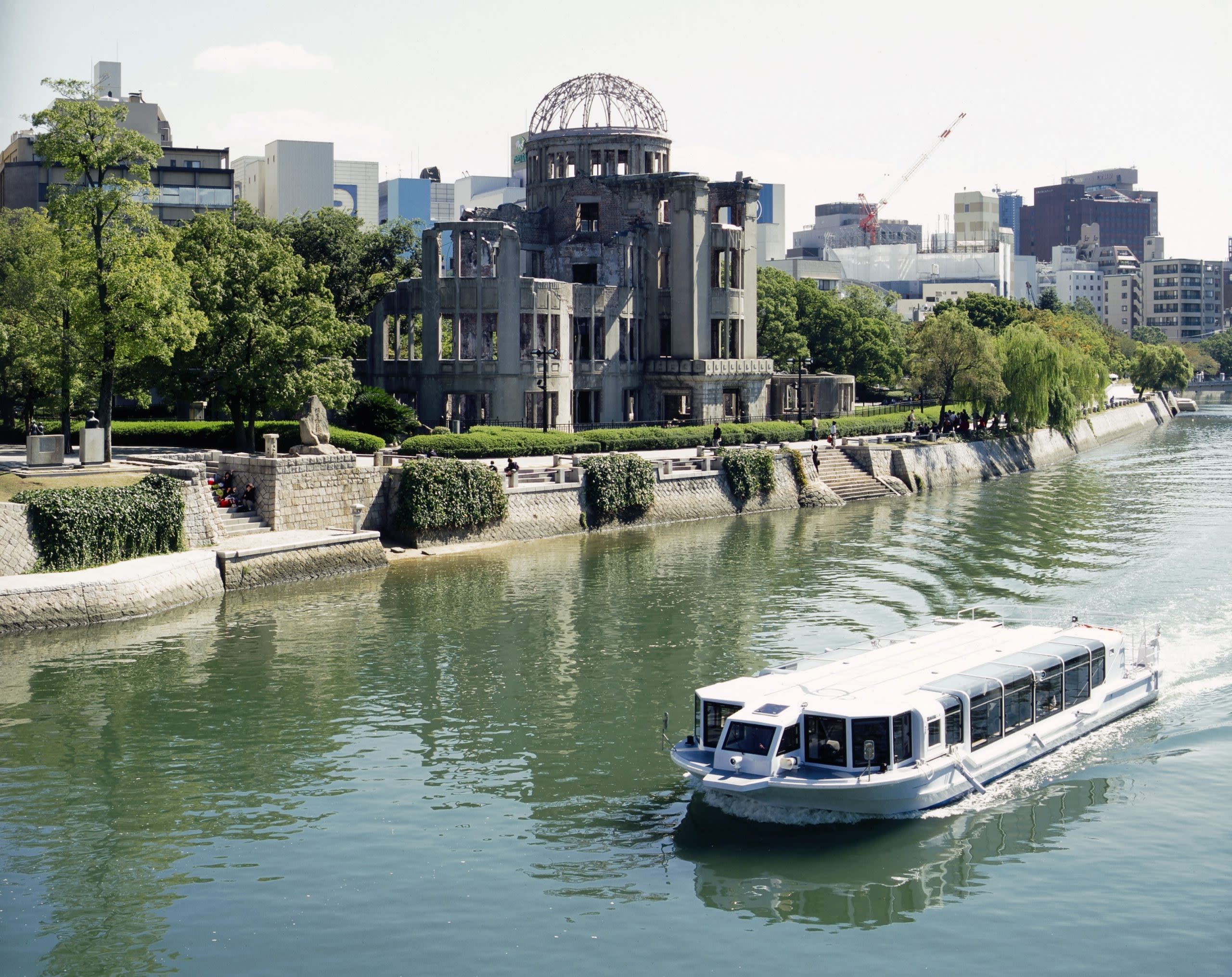
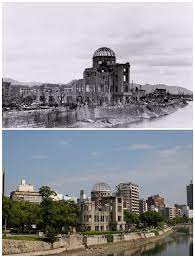
Today, the city stands as an inspiring testament to resilience, adaptation, and the power of community-driven reconstruction. With its commitment to sustainable urban solutions and civic engagement, Hiroshima has transformed from a war-torn ruin into a vibrant regional economic hub in western Japan, home to 1.2 million people.
"Humans destroyed Hiroshima but humans also rebuilt it"
Labourers working on the restoration of Hiroshima’s Aioi Bridge in 1949
Labourers working on the restoration of Hiroshima’s Aioi Bridge in 1949
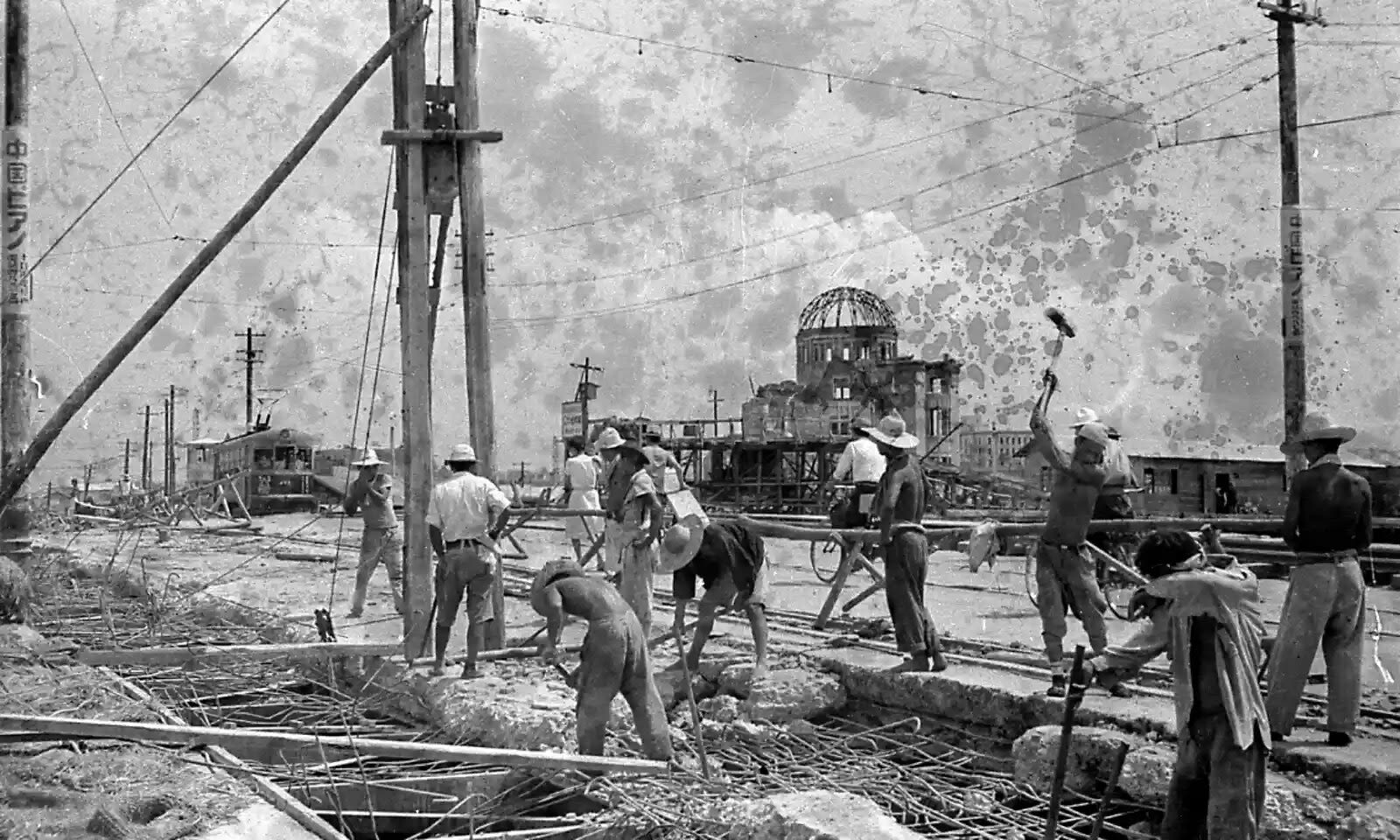
Labourers working on the restoration of Hiroshima’s Aioi Bridge in 1949
Labourers working on the restoration of Hiroshima’s Aioi Bridge in 1949
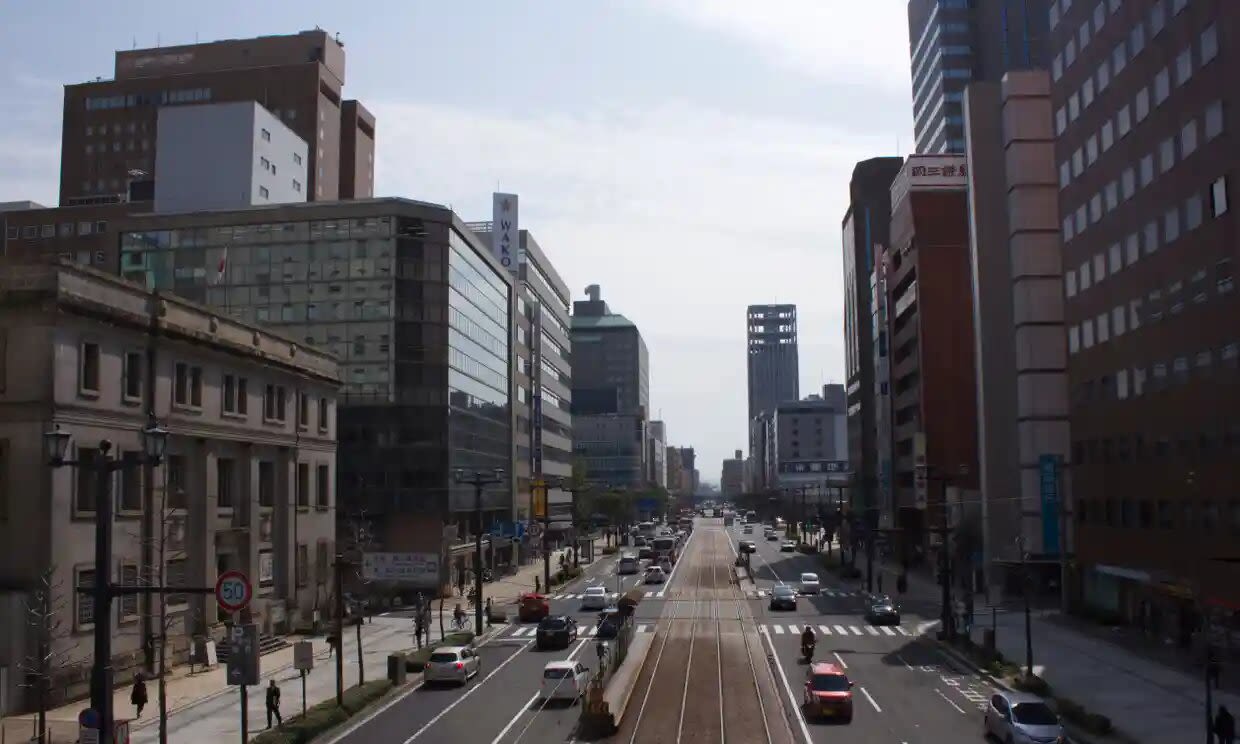
Today, Hiroshima’s busy roads and high-rise office blocks give the impression of a thriving city at peace with its history.
Today, Hiroshima’s busy roads and high-rise office blocks give the impression of a thriving city at peace with its history.
 Built with Shorthand